
Buyers searching for a housekeeping products supplier often use “supplier,” “wholesaler,” “exporter,” and “manufacturer” almost interchangeably, but these terms describe genuinely different roles in the supply chain. Knowing the difference matters when you’re comparing quotes, checking product authenticity, or trying to understand why two businesses both calling themselves cleaning and housekeeping supplies suppliers can offer very different pricing and service. This guide breaks down what each term actually means and what to check for each one.
What “Supplier,” “Wholesaler,” “Exporter,” and “Manufacturer” Actually Mean for Buyers
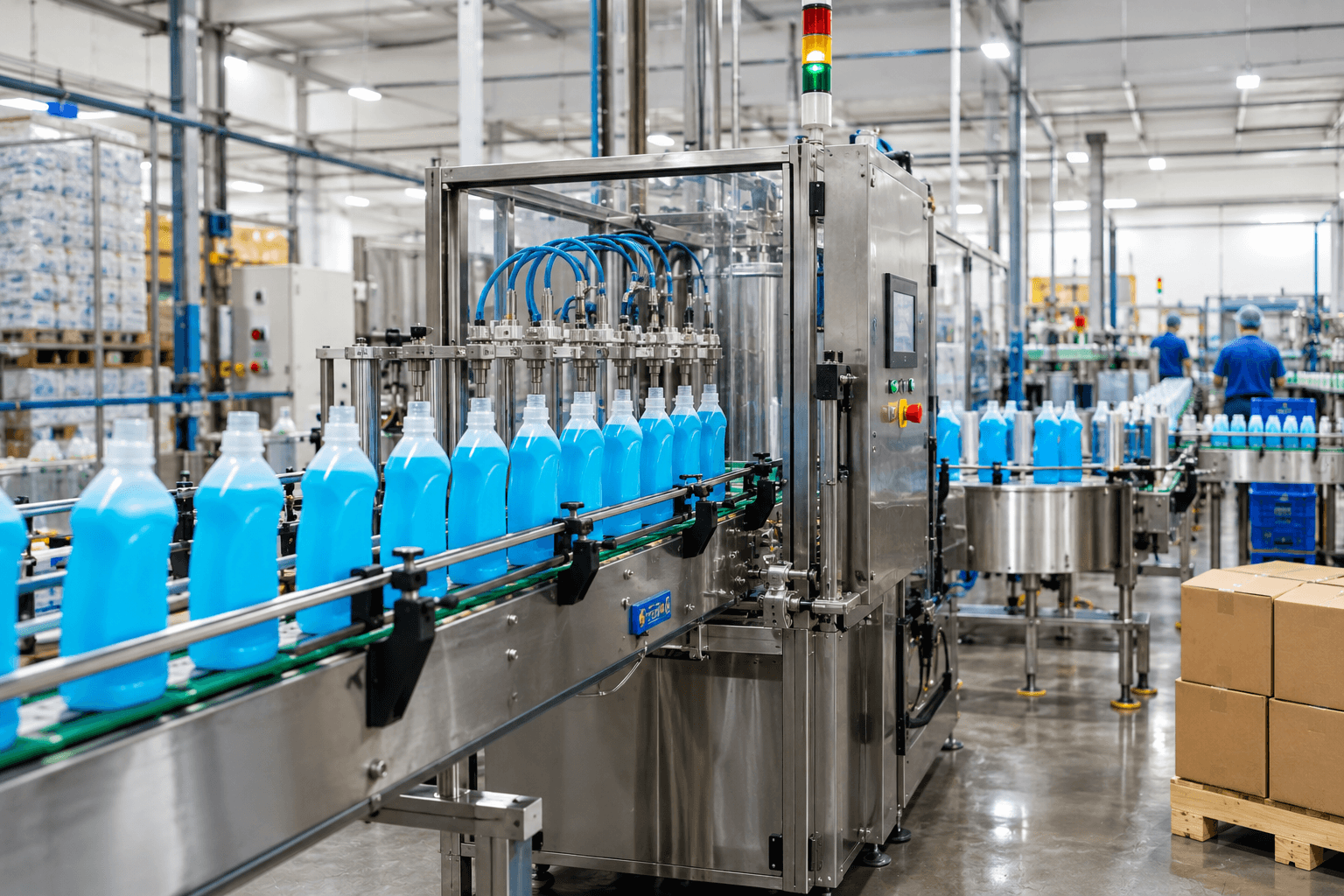
A manufacturer produces the actual product, whether that’s a chemical formulation or a physical tool. A wholesaler buys in bulk from manufacturers and resells at volume, typically without producing anything themselves. A cleaning and housekeeping supplies exporter specifically handles cross-border sales and the documentation that comes with it, and a general “supplier” can technically be any of the above, or a distributor sitting between them and the end buyer. Housekeeping products supplier India searches often return all four types mixed together in results, which is exactly why the distinction is worth understanding before you commit to an order.
Why the Distinction Matters When Choosing a Housekeeping Supplies Partner
If you’re buying for a single hotel or office, working with a wholesaler or supplier is usually simpler than trying to buy directly from a manufacturer, since manufacturers often set high minimum order quantities suited to distributors rather than end users. If you’re buying at true bulk scale, or need documentation for cross-border shipment, going directly to a housekeeping supplies wholesaler near me or contacting a manufacturer directly can unlock better pricing, provided you can meet their order minimums.
What a Premium Cleaning and Housekeeping Supplies Manufacturer Should Offer
A premium cleaning and housekeeping supplies manufacturer should be able to show consistent product specifications across batches, since inconsistency between orders is one of the most common quality complaints in bulk chemical sourcing. Ask any wholesale cleaning products manufacturer India candidate for batch consistency documentation and whether they can provide the same product specification reliably at scale, not just for a single sample order.

Core Product Categories a B2B Housekeeping Supplies Supplier Should Cover
Whatever term applies to your source, a genuine B2B housekeeping supplies supplier should carry a wide enough catalog to cover a facility’s actual needs in one relationship.
Bathroom and Restroom Hygiene
Bathroom hygiene products are typically the highest-frequency reorder category. A heavy-duty toilet bowl cleaner like Reva Bio Clean covers daily sanitation, and a best bathroom cleaner option like Reva Fresh BS handles tiles and fixtures on the same cycle. A premium bathroom cleaning supplies manufacturer should be able to supply both at consistent quality across repeat orders. For paper products, JRT toilet paper rolls reduce restocking frequency in high-traffic restrooms.

Floor Care Tools and Equipment
Physical tools matter as much as chemicals in a full housekeeping supplies exporter for hospitality catalog. A flat head microfiber mop covers daily floor maintenance, and for heavier-duty needs, a best industrial floor cleaner liquid option like Reva MD 10 handles tougher floor conditions across hotels and commercial facilities. A long handled cobweb brush reaches ceiling corners standard dusters miss, and a t brush for floor cleaning doubles as a shower cleaning brush.
Handwash and Personal Hygiene Supplies
A cleaning supplies wholesaler for hotels should carry bulk handwash options that hold up to continuous restroom use. Liquid hand wash 5 ltr bulk bottles cover refill stations efficiently across large properties without frequent small-bottle reordering.
Water Storage and Drying Equipment
Basic equipment rounds out a full-service supplier’s catalog. A 25 ltr bucket suits standard cleaning rounds, and a CR HT hot air blower speeds up floor drying after wet cleaning, which matters for facilities that can’t leave a wet floor sign up indefinitely.
Air Care for Hospitality and Office Spaces
Air care rounds out a hospitality-focused supply relationship. A Godrej Aer Matic refill combo supports continuous automatic dispensing in corridors and common areas, and fragrance oil diffuser options suit smaller enclosed spaces where a more ambient scent is preferred over a timed spray.
Evaluating Export-Quality Standards When Sourcing Cleaning Supplies
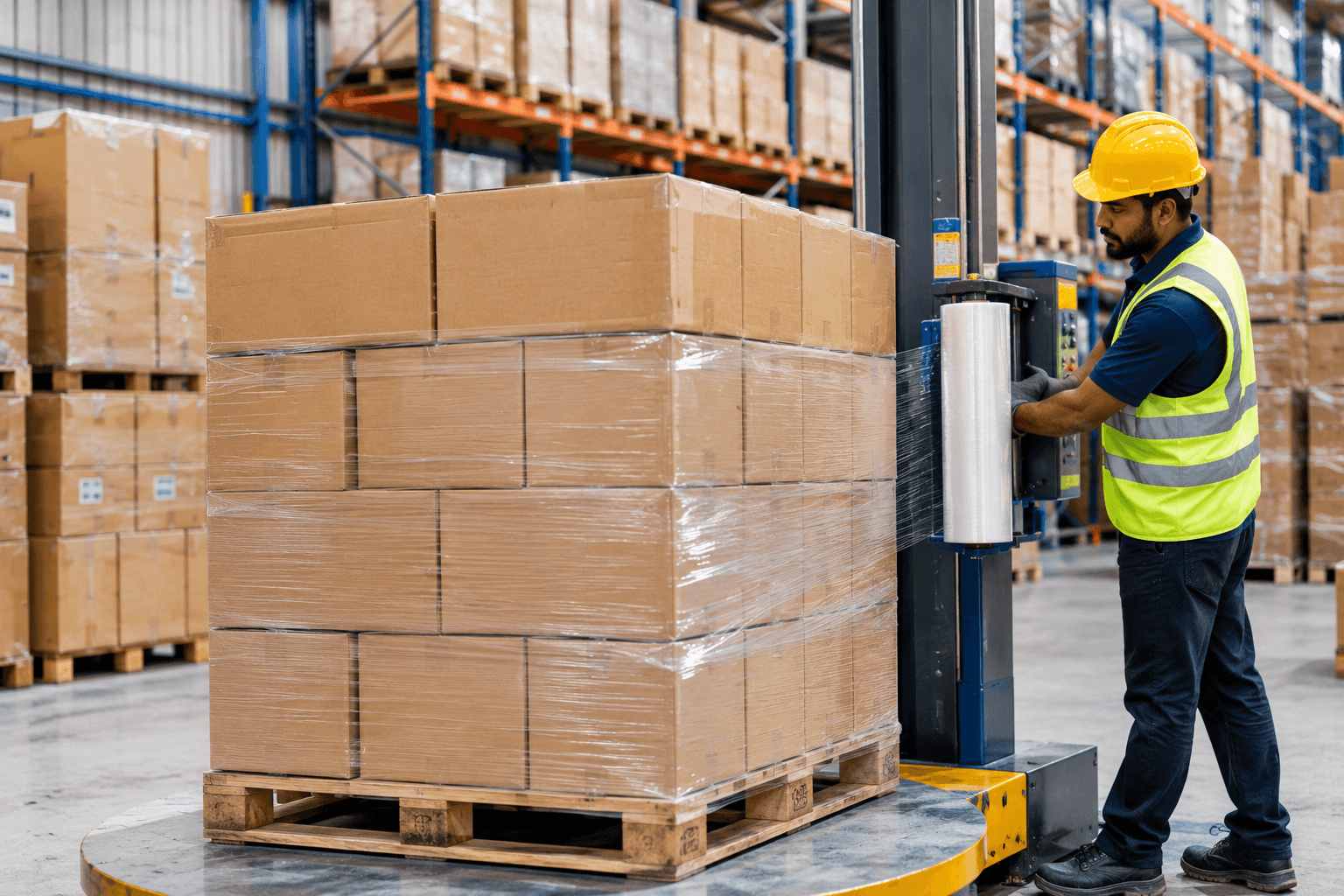
If your sourcing needs include cross-border requirements, ask specifically about export quality cleaning products supplier documentation, including compliance certificates and shipping-ready packaging standards. A bulk cleaning supplies exporter India relationship should be able to walk you through their documentation process clearly, rather than treating export paperwork as an afterthought handled only once an order is already placed.
How to Vet a Cleaning and Housekeeping Supplies Distributor
Ask for references from clients of a similar scale to yours before committing to a long-term contract with any cleaning and housekeeping supplies distributor. This is a stronger signal of reliability than a polished catalog alone, since it confirms the supplier can actually handle your specific order volume and category mix consistently over time.
Building a Long-Term Supplier Relationship
Once you’ve confirmed a supplier’s category (manufacturer, wholesaler, exporter, or general supplier) matches what you actually need, building a recurring order relationship saves the repeated evaluation work of comparing quotes every cycle. A top cleaning supplies manufacturer India relationship built on consistent quality and clear communication tends to outperform chasing the lowest quote from a new supplier every few months.

Frequently Asked Questions
Q: What’s the difference between a cleaning supplies wholesaler and a manufacturer?
A manufacturer produces the product itself, while a wholesaler buys in bulk from manufacturers and resells at volume without producing anything. Buyers with smaller order volumes usually work better with a wholesaler, since manufacturers often set minimum order quantities suited to large-scale distributors.
Q: What does a cleaning and housekeeping supplies exporter do differently from a domestic supplier?
An exporter specifically handles cross-border sales, along with the compliance documentation and export-ready packaging that shipment abroad requires. A domestic supplier or wholesaler typically doesn’t need to manage this documentation, since their sales stay within the country.
Q: How do I know if a housekeeping products supplier is genuinely premium?
Check for consistent product specifications across repeat orders and ask directly about batch consistency documentation, since inconsistency between orders is one of the most common quality issues in bulk sourcing. A premium supplier should be able to demonstrate this rather than just claiming it.
Q: Should I buy directly from a manufacturer or through a wholesaler?
Buying directly from a manufacturer can offer better pricing but usually requires meeting higher minimum order quantities than a wholesaler requires. For a single hotel, office, or facility, a wholesaler or supplier relationship is typically simpler unless your order volume genuinely justifies going direct.
Q: What should a full-service B2B housekeeping supplies supplier’s catalog include?
A well-rounded supplier should cover bathroom and restroom hygiene, floor care tools, handwash supplies, water storage and drying equipment, and air care products under one catalog. This lets a facility consolidate procurement with a single supplier instead of managing separate vendors for each category.
Whether the business you’re evaluating calls itself a supplier, wholesaler, exporter, or manufacturer, the label matters less than what they can actually demonstrate: consistent product quality, clear documentation, and a catalog that covers what your facility genuinely needs. Ask the right questions for the specific role you’re sourcing from, and the terminology stops being confusing and starts being useful for comparison.