
Key takeaways:
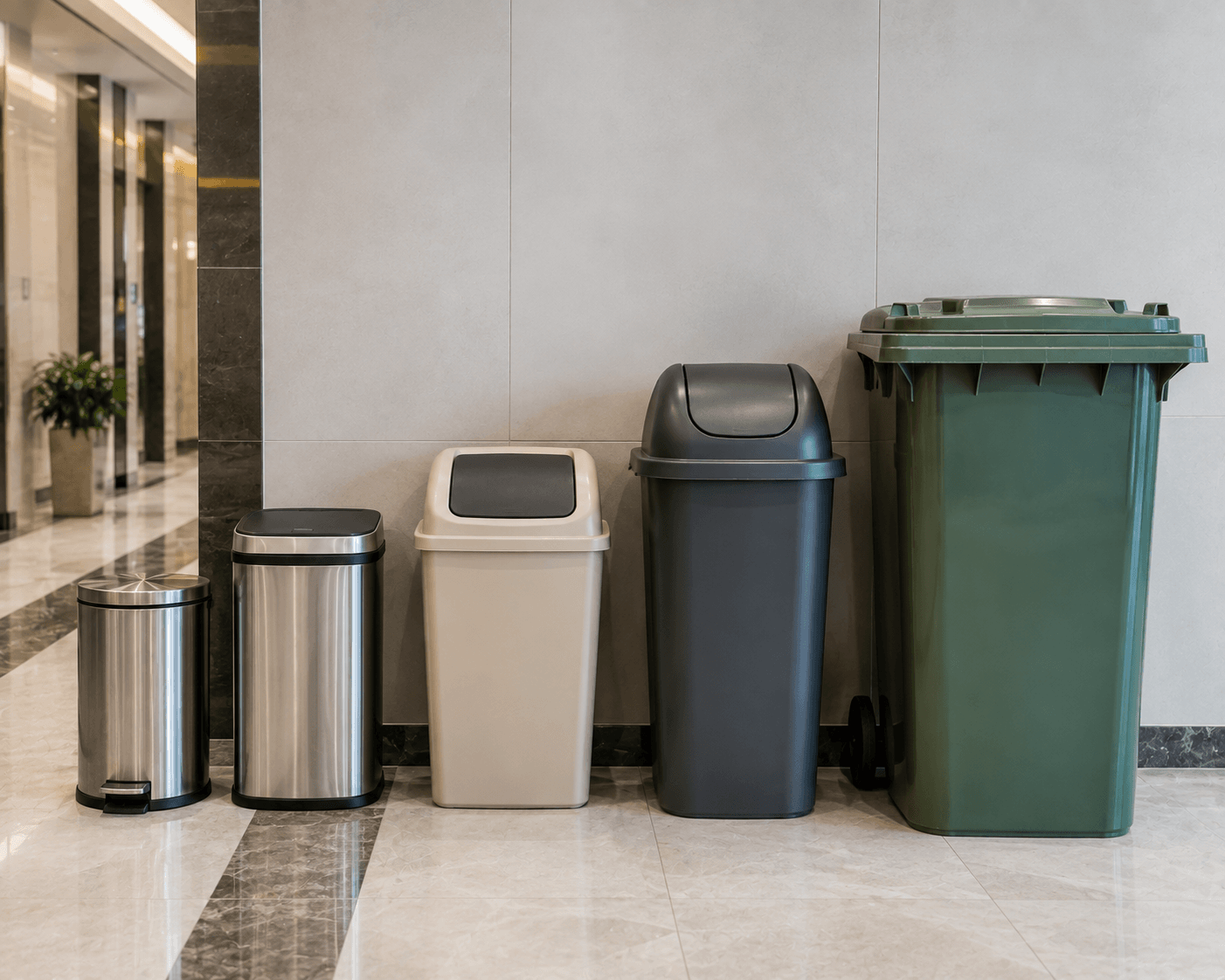
- Match bin type (pedal, swing, sensor) and size to each zone rather than using one style facility-wide.
- Choose garbage bag micron thickness by waste type: thinner for paper waste, thicker and puncture-resistant for kitchen or medical waste.
- Estimate quantities zone by zone using bin count × collection cycles, and set a reorder point at two to three weeks of stock remaining.
- Bulk pricing tiers only unlock above a specific carton or roll threshold, so planned monthly ordering beats reactive buying on cost.
Waste bins are the kind of facility item nobody notices until they fail. A bag that tears mid-collection, a bin that’s too small for a busy pantry, or a liner that doesn’t fit and bunches up at the bottom all create small daily frictions that add up across a large facility. Getting dustbin and garbage bag procurement right is less about finding the cheapest option and more about matching the right bin and bag combination to each zone, then buying it at a volume that actually makes financial sense. This guide walks through bin selection, bag specifications, quantity planning, and what else facility managers typically bundle into the same order.
Why Getting Dustbin and Garbage Bag Procurement Right Matters for Facility Managers
Procurement decisions here look small individually but scale into a real budget line once you’re managing a full office, hospital, or hospitality property.
The Hidden Cost of Buying Reactively
When bins or bags run low without warning, facility teams end up making small emergency purchases at retail prices, which erases whatever discount a planned bulk order would have delivered. It also creates inconsistency: one floor ends up with a different bag size or bin type than another because whatever was available at the local store got grabbed in a hurry. A proper dustbin procurement checklist for offices avoids both problems by tying every order to actual consumption data rather than a last-minute scramble.
How Bulk Procurement Changes Cost Per Unit
Garbage bag wholesale suppliers in India typically price in cartons or rolls rather than individual bags, and the discount curve is steep once you cross a certain order size. A facility ordering bulk garbage bags for offices on a monthly schedule will land noticeably better pricing than one placing ad-hoc orders every time a floor runs short. The same logic applies to bins: wholesale dustbins for corporate offices purchased as a full-floor rollout cost less per unit than replacing bins one at a time as they wear out.
How to Choose the Right Dustbins for Different Facility Zones
Not every area needs the same bin, and buying one style for the entire facility usually means overpaying in some zones and under-serving others.
Matching Bin Size and Type to Room Function
Pantries and cafeterias generate higher volumes of wet waste and need larger, easy-access bins, while individual workstations need something small enough not to clutter the desk area. Restrooms typically need smaller bins with lids, and loading docks or waste collection points need heavy-capacity bins built for frequent, high-volume dumping. Thinking through how to choose dustbin size for office use zone by zone, rather than picking one size for the whole building, is the single biggest factor in whether the setup actually works day to day.
Pedal Bins, Swing Bins and Sensor Bins: What Fits Where
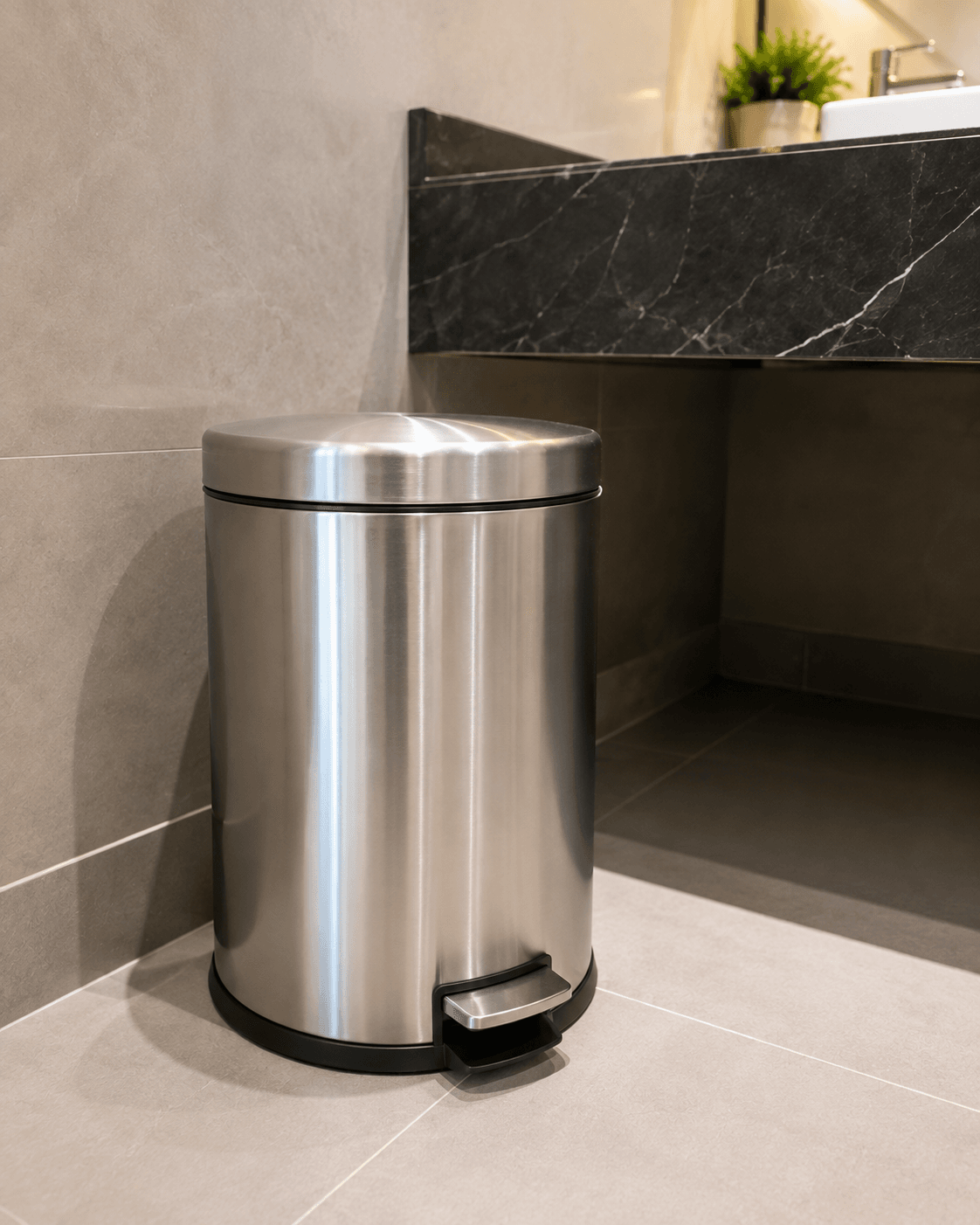
A pedal bin bulk order for offices makes sense for restrooms and pantries where hands-free operation matters for hygiene. Swing-lid bins work well in corridors and common areas where speed of use matters more than hygiene control. Sensor bins have become more common in premium office spaces and hospitals, and a sensor bin bulk purchase for offices is usually justified in high-traffic restrooms or medical zones where touch-free disposal reduces contamination risk, even though the upfront cost per unit is higher.
Quick reference: bin type by zone
| Zone | Recommended Bin Type | Why |
|---|---|---|
| Workstations | Small swing-lid bin | Low volume, doesn’t clutter desk space |
| Pantry / cafeteria | Large pedal or open bin | Handles higher wet-waste volume, easy access |
| Restrooms | Small pedal bin with lid | Hygiene control, hands-free use |
| High-traffic restrooms / medical zones | Sensor bin | Touch-free disposal reduces contamination risk |
| Loading dock / collection point | Heavy-capacity bin | Built for frequent, high-volume dumping |
Material and Durability Considerations
Metal bins last longer in high-wear areas like loading docks but cost more upfront, while durable plastic bins are usually the better economic choice for office interiors and pantries where wear is lower. Whatever material you choose, check the bin’s rim design against the bag size you plan to use, since a mismatched rim is one of the most common reasons liners slip or tear during collection.
Garbage Bag Selection: Micron, Size and Load Capacity
The bag matters as much as the bin, and this is where most procurement mistakes actually happen.
Understanding Micron Thickness for Different Waste Types
A garbage bag micron size guide is essential reading before placing a bulk order, since micron thickness determines how much weight and sharpness a bag can handle before tearing. Light office waste like paper and packaging can use a thinner micron bag, while pantry, kitchen, and medical waste need a thicker, puncture-resistant bag. Buying one micron thickness for the entire facility is a common mistake that leads to torn bags in high-load zones and unnecessary cost in low-load zones.

Choosing Bag Size to Match Bin Capacity
A bin liner size chart for offices should map directly to your bin inventory, since an oversized bag bunches at the bottom and wastes material, while an undersized one won’t cover the rim properly. Getting this match right across every bin type in the building also makes reordering simpler, since housekeeping staff aren’t guessing which bag fits which bin.
Biodegradable vs Standard Bags
Biodegradable garbage bags bulk India orders have grown steadily as sustainability commitments move into actual procurement policy rather than staying in a company’s marketing material. Biodegradable bags typically cost somewhat more per unit than standard plastic bags but are increasingly required or preferred in facilities with formal environmental commitments, and many procurement teams now run both types side by side, biodegradable for general office waste and heavy duty garbage bags for commercial use in kitchens and loading docks where load capacity matters more than material.
Estimating Bag and Bin Quantities for Your Facility
Getting the math right up front avoids both overstock and last-minute retail purchases later.
A Simple Formula Based on Headcount and Waste Zones
A reasonable starting estimate is one bag per bin per collection cycle, multiplied by the number of bins per zone and the number of collection cycles per week. For a facility management waste bin procurement plan, break this down zone by zone (workstations, pantries, restrooms, loading dock) rather than as one blended number, since usage patterns differ enough between zones that a single average will be wrong for most of them.
Reorder Points to Avoid Emergency Purchases
Set your reorder trigger at two to three weeks of average stock remaining rather than waiting until a store room looks empty. This buffer absorbs normal supplier lead times and gives you room to place a full bulk trash bags for facility management order rather than a rushed partial one at a worse price.
Keeping Waste Areas Clean and Hygienic Beyond the Bin
A well-stocked bin doesn’t solve the problem if the area around it is neglected, and this is where a few supporting tools make a real difference.
Cleaning Tools for Bin Rooms and Waste Corridors
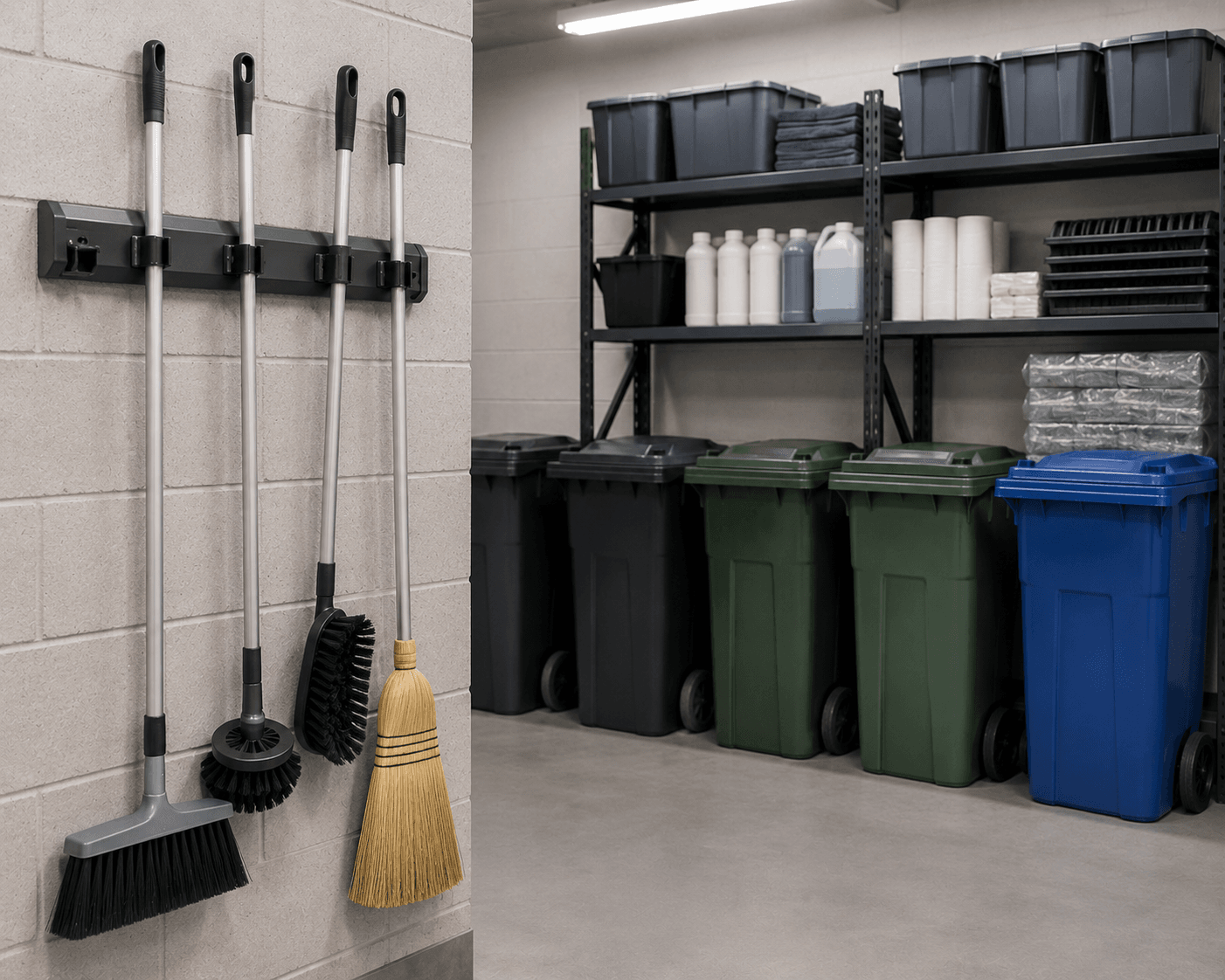
Waste storage rooms and loading docks tend to accumulate cobwebs and dust in corners that get overlooked during daily rounds, so a long handled cobweb brush is worth keeping specifically for these zones rather than relying on standard dusting tools. For ceilings and overhead pipework near waste collection points, a ceiling broom reaches the height that a normal broom can’t, and it’s a small addition that keeps bin rooms from looking neglected between deep cleans.
Surface and Floor Care Around Disposal Points
Floors near waste collection points see more spills and residue than most other areas, and taski spiral floor cleaner is commonly used for the deeper periodic cleaning these zones need beyond daily mopping. Glass partitions separating waste rooms from corridors stay presentable with taski glass cleaner, and general bathroom facilities near waste disposal areas are typically kept in check with a reliable harpic bathroom cleaner on the same cleaning rotation.
Bundling Other Facility Consumables Into the Same Procurement Order
Facility managers ordering bins and bags in bulk often add other recurring consumables to the same purchase order, since it simplifies delivery scheduling and vendor management.
Kitchen and Pantry Consumables
Pantries generate a large share of daily waste, so it makes sense to review pantry consumables at the same time as waste supplies. dishwash 5 ltr stock is a common addition for facilities with a staffed pantry or cafeteria. Maintenance teams also find a palti patra putty knife useful well beyond its original paint-scraping purpose, since it works just as well for scraping dried residue off bin surfaces or floor grates during deep cleaning rounds.
Restroom and Tissue Supplies
Since restroom bins are part of the same procurement conversation as waste bags, it’s worth reviewing tissue stock at the same time. A bulk order is a good moment to check facial tissue on sale and top up restroom and pantry tissue supplies alongside your bin liner order, rather than treating them as a separate purchase later in the month.
Why Facility Managers Consolidate These Orders With One Supplier
Running bins, bags, cleaning tools, and consumables through separate vendors adds up to a lot of invoices and delivery windows to manage. Most facility teams eventually settle on a single B2B Cleaning Products partner that can cover the full list. A Wholesale Housekeeping products supplier that stocks everything from bins to cleaning rags in bulk means one delivery schedule instead of five, and working with a cleaning product wholesaler who understands facility-scale ordering makes it easier to plan procurement quarterly instead of reacting to shortages every few weeks.

How to Calculate Total Procurement Budget and Compare Suppliers
Once quantities are set, the remaining work is comparing suppliers on more than just the headline price.
MOQ and Bulk Pricing Tiers
Ask directly about MOQ garbage bags wholesale pricing tiers, since most suppliers only unlock meaningful discounts above a specific order size. Confirm whether pricing is quoted per carton, per roll, or per kilogram, since comparing quotes across suppliers is difficult if they’re not using the same unit.
What to Ask Before Signing a Contract
Beyond cost per bag bulk garbage bags pricing, ask about standard lead time, what happens during a supplier delay, and whether delivery and GST are included in the quoted price or added separately. A supplier offering wholesale cleaning products online ordering with transparent pricing tiers and dependable lead times is generally worth more than one offering a marginally lower headline rate with vague delivery terms.
Frequently Asked Questions
Q: How do I choose the right dustbin size for my office?
A: Match bin size to the zone’s waste output rather than using one size throughout the building. Workstations need small bins, pantries need larger easy-access bins, and loading docks need high-capacity bins built for frequent dumping.
Q: What micron thickness should I choose for commercial garbage bags?
A: Light office waste like paper works fine with a thinner micron bag, while kitchen, pantry, and medical waste need a thicker, puncture-resistant bag. Using a single micron thickness across the whole facility usually leads to torn bags in high-load zones.
Q: How much can I save by buying garbage bags in bulk?
A: Garbage bag wholesale suppliers in India typically offer meaningful discounts once you cross a specific carton or roll threshold, often significantly lower than retail per-bag pricing. Ordering on a planned monthly schedule instead of reactively is what actually unlocks those savings.
Q: Are biodegradable garbage bags a good fit for offices?
A: Yes, biodegradable garbage bags work well for general office waste and are increasingly required under corporate sustainability policies. Many facilities pair them with heavier-duty standard bags in kitchens and loading docks where load capacity matters more than material.
Q: How do I calculate how many garbage bags my facility needs per month?
A: Estimate one bag per bin per collection cycle, multiplied by your total bin count and weekly collection frequency, broken down zone by zone rather than as a single average. This gives a more accurate number than a blanket facility-wide estimate.
Q: What is a reasonable reorder point for bins and bags?
A: Set the reorder trigger at around two to three weeks of average remaining stock rather than waiting until supplies run out. This buffer covers normal supplier lead times without forcing a rushed, higher-priced emergency order.
Q: Should I buy dustbins and cleaning supplies from the same supplier?
A: Yes, consolidating bins, bags, and related cleaning consumables under one wholesale housekeeping supplier simplifies delivery scheduling and invoicing. It also tends to improve pricing since your total order volume with that supplier is higher.
Dustbin and garbage bag procurement rarely gets the attention it deserves until something goes wrong, but a few hours spent mapping bin types to zones and bag specs to load requirements pays off every month afterward. Set your quantities based on actual usage, pick a supplier who’s upfront about pricing tiers, and the whole category becomes something you plan once a quarter instead of firefighting weekly.