Queue Manager Stand for Hotels & Offices Smart Crowd Control Solution
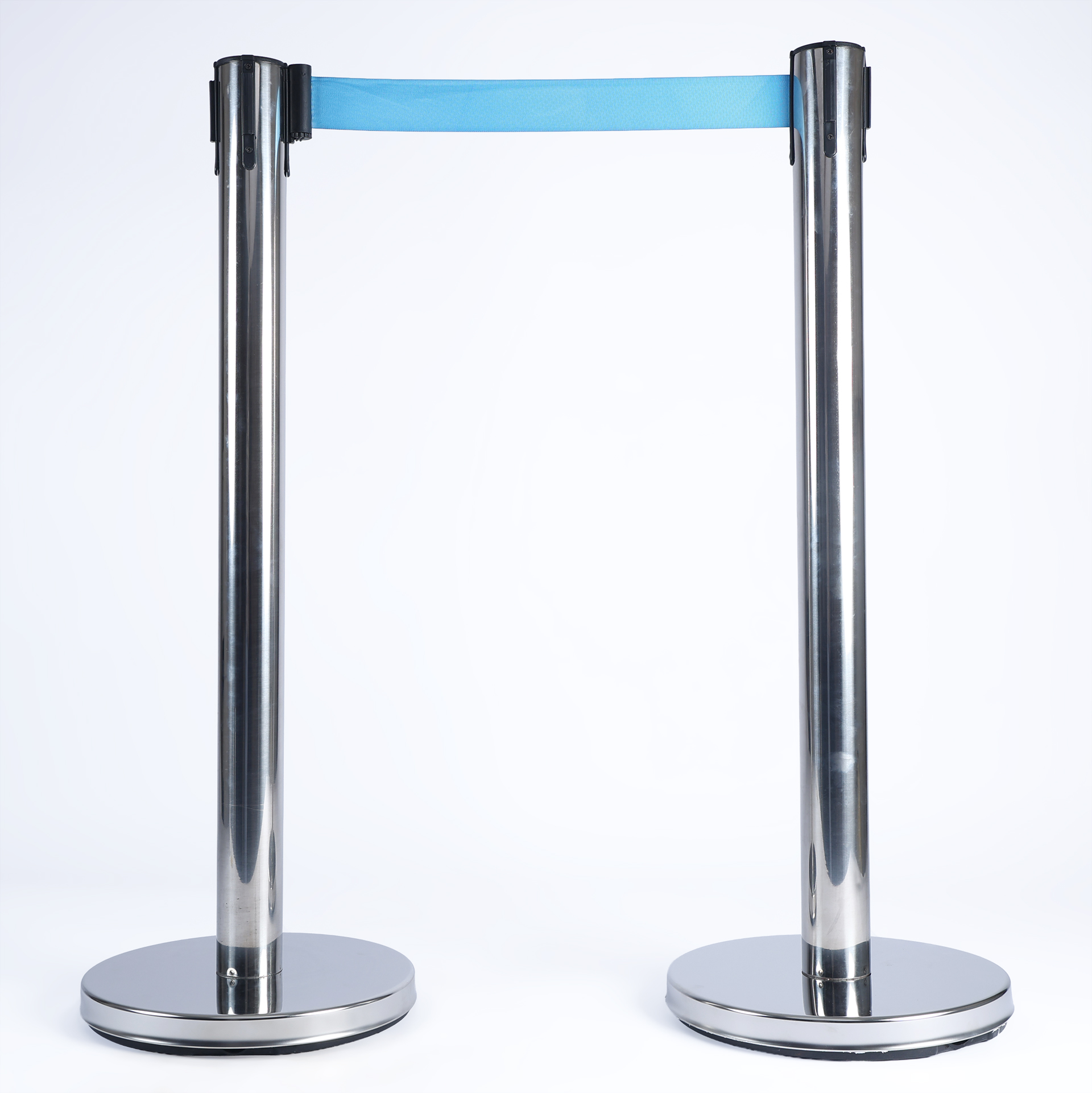
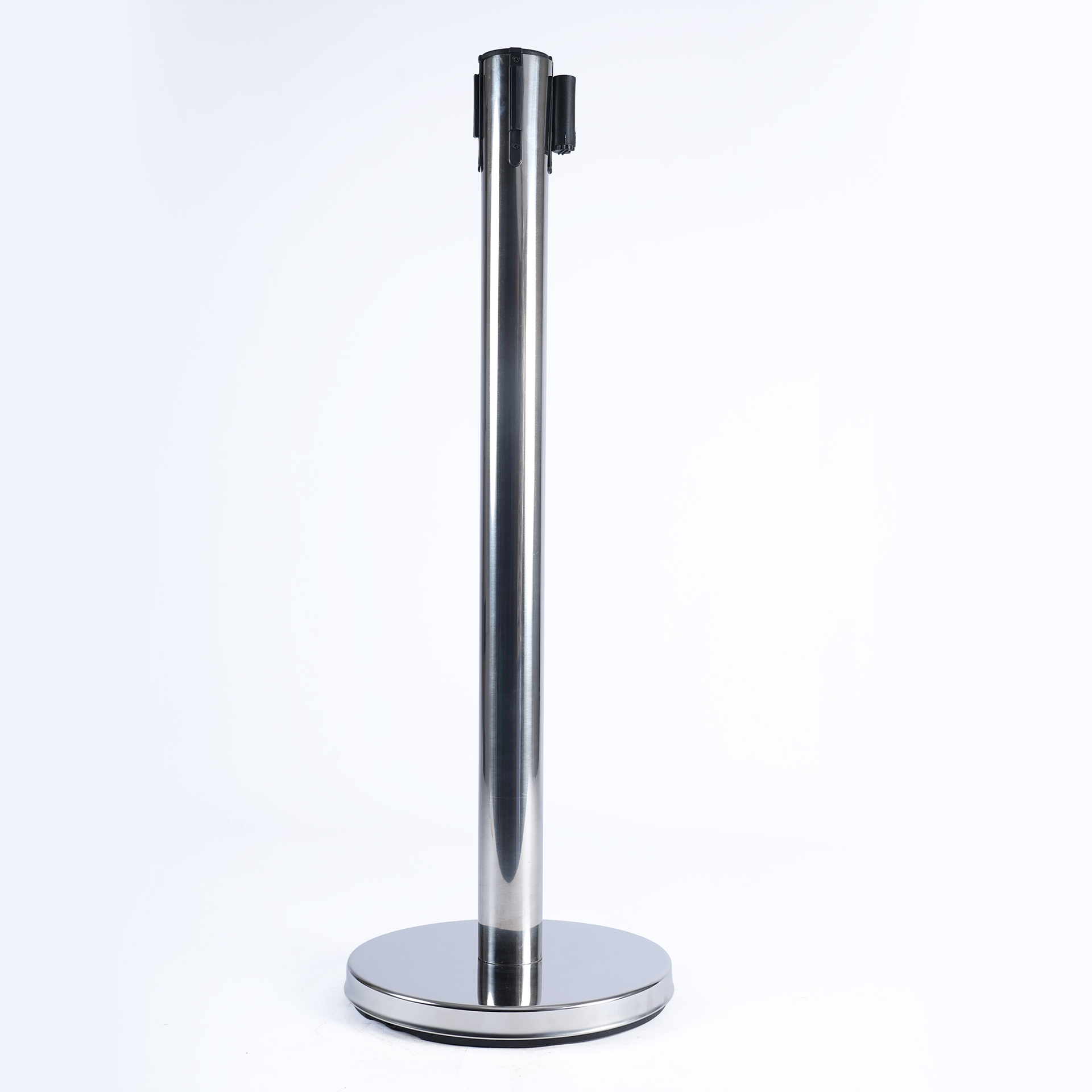
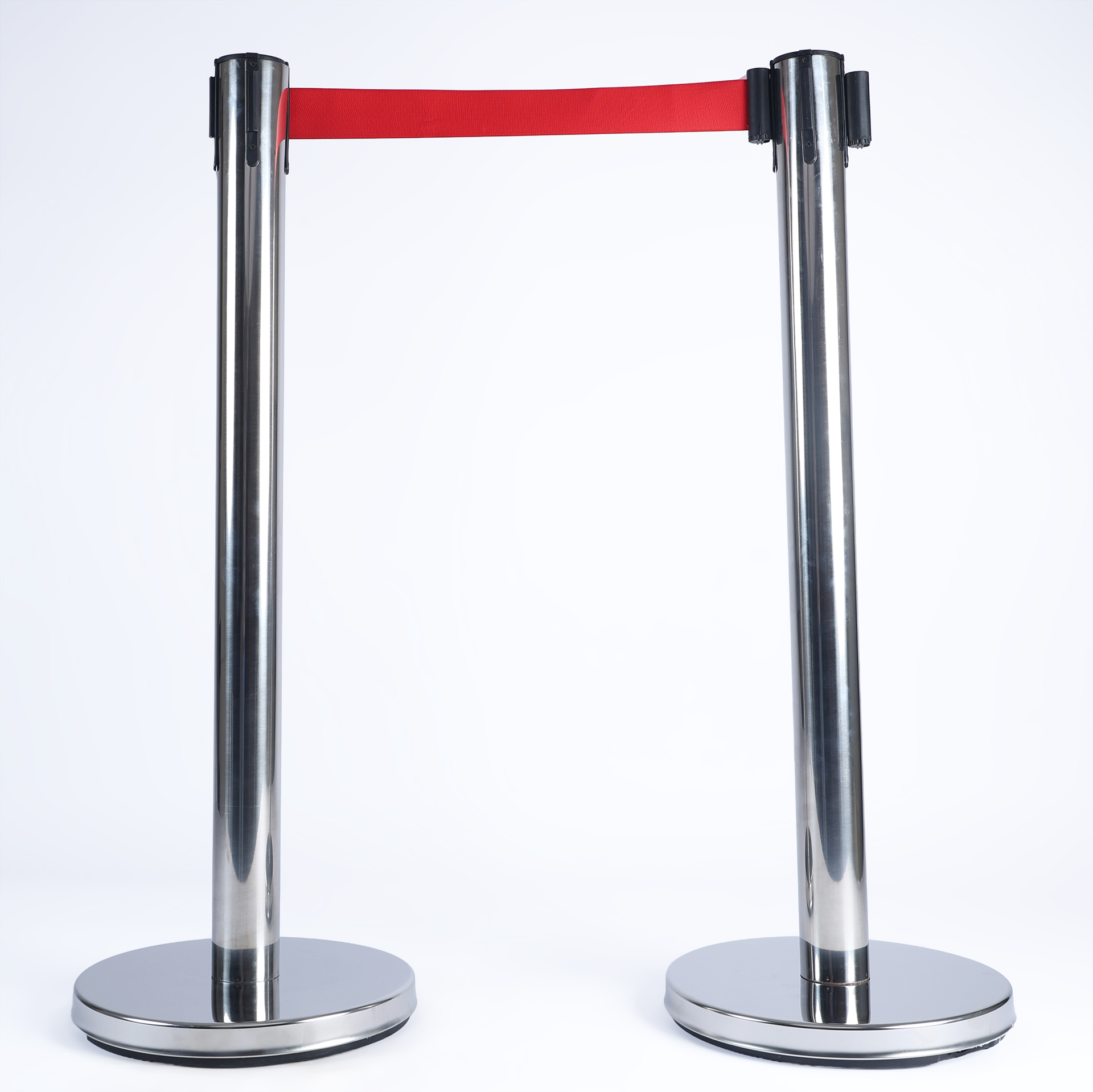
Introducing the Queue Manager, a reliable and stylish solution designed to streamline crowd control and organize queues in busy environments. Perfect for banks, airports, retail stores, events, and other public spaces, this Queue Manager provides a practical way to guide customers and manage lines efficiently. Constructed from high-quality materials, the Queue Manager is built for durability and long-lasting performance, even in high-traffic areas. The sturdy base ensures stability, while the retractable belt mechanism allows for quick setup and easy adjustment. The belts are designed to extend and retract smoothly, offering flexibility to accommodate different queue lengths and configurations.
The sleek and professional design of the Queue Manager adds a touch of sophistication to any setting, while also ensuring safety and order. The retractable belts are available in various colors and lengths, allowing for customization to match your brand or event theme. Whether you need to maintain orderly queues, manage crowd flow, or simply create designated waiting areas, the Queue Manager is a versatile and effective tool. Enhance the customer experience and ensure smooth operations with this essential crowd control solution, designed to meet the demands of any environment.
Why Do Hospitals, Banks, Hotels, and Government Offices Order Queue Manager Stands in Large Numbers?
Queue management is a genuine operational challenge in any high-footfall institutional setting. Without defined queuing lanes, visitors cluster at service counters in a disorganised mass staff productivity drops, customer or patient satisfaction declines, and the physical space becomes harder to navigate. A retractable belt queue manager stand creates defined lanes instantly, without permanent floor modifications, and can be reconfigured in minutes to suit different service layouts or peak-traffic periods. For the range of facilities that manage daily visitor queues, the queue manager stand is a basic but high-impact piece of operational infrastructure.
What Should Procurement Managers Evaluate When Specifying Queue Manager Stands?
Base weight and stability are the primary safety considerations. A stand that tips when the belt is pulled at an angle is a hazard in a crowded environment. Commercial-grade queue stands use heavy cast iron or zinc alloy bases weighing 6–9 kg, which resist tipping under normal operating loads. Lighter bases common in budget-tier products are appropriate for light indoor use but not for high-footfall environments where the belt gets pulled and bumped repeatedly throughout the day.
Belt length determines lane flexibility. A 2-metre belt handles standard single-lane queuing between two stands. A 3–3.5 metre belt allows wider lane configurations in larger spaces. For facilities setting up multiple lane configurations banks with several counter positions, hospitals with separate queue streams for different departments belt length consistency across all stands in the set matters for visual uniformity.
Post height affects visibility and crowd management. Standard post heights range from 90 cm to 100 cm visible above the waist of most adults but below line-of-sight for clear space navigation. Taller posts (105–110 cm) are specified in high-density crowds where the belt needs to be more visually prominent.
End fittings the mechanism by which two stands connect via belt should be confirmed for compatibility across the batch. Mixing stand brands with different end fittings creates connection failures that disrupt queue lane setup. Specifying one model across all units in a facility eliminates this problem.
For facilities setting up reception areas where a queue manager stand appears alongside other front-of-house equipment paper glasses at reception counters, premium doormates at entrance zones procurement teams often consolidate these facility setup purchases in a single wholesale order.
Which Institutional Settings Order Queue Manager Stands at the Highest Volumes?
Hospitals are among the largest buyers. OPD registration counters, pharmacy queues, diagnostic collection points, and billing counters all require defined queuing that can be reconfigured as patient volume changes throughout the day. A mid-sized hospital might deploy 20–40 stands across multiple queuing points.
Banks and financial service branches use queue stands as standard equipment their queuing protocol is typically well-defined, and stands are replaced as they wear or when branch interiors are renovated. Government service offices, visa application centres, and passport offices deploy stands to manage large daily visitor volumes.
Hotels use them at check-in counters, restaurant waiting areas, and event registration points. Airports and transit hubs are high-volume buyers, though typically through large tenders rather than standard wholesale channels.
1. What is a Queue Manager and why is it important for hotels and offices?
A Queue Manager is a crowd control system designed to organize waiting lines in a structured and professional manner. It typically includes stainless steel or metal posts with retractable belts or ropes that guide visitors efficiently. In hotels and offices, a proper manager queue setup ensures smooth guest check-ins, visitor registration, billing counters, and event entry management. Without a Queue Manager, businesses may face overcrowding, confusion, and poor customer experience. Installing a durable system improves workflow efficiency, enhances safety standards, and reflects a professional brand image in high-traffic commercial environments.
2. Where can a manager queue system be used?
A manager queue system is commonly used in hotel lobbies, corporate offices, banks, airports, hospitals, exhibition halls, and conference venues. A reliable Queue Manager helps organize foot traffic during peak hours and large events. Hotels use it for reception and banquet entries, while offices install it at security checkpoints and visitor waiting areas. Bulk buyers prefer standardized Queue Manager systems to maintain uniform branding across multiple properties.
3. What problems does a Queue Manager solve?
A professional Queue Manager eliminates unorganized lines, overcrowding, and customer frustration. A properly installed manager queue system reduces operational delays and improves staff efficiency. It also enhances safety by preventing pushing, confusion, and blocked walkways in busy areas.
4. Why should businesses buy Queue Manager systems in bulk?
Purchasing a Queue Manager in bulk ensures cost savings, consistent quality, and uniform installation across locations. A bulk manager queue supply guarantees availability for expansions, events, or replacements. For hotels and offices, bulk procurement reduces long-term operational costs while maintaining professional crowd management standards.