
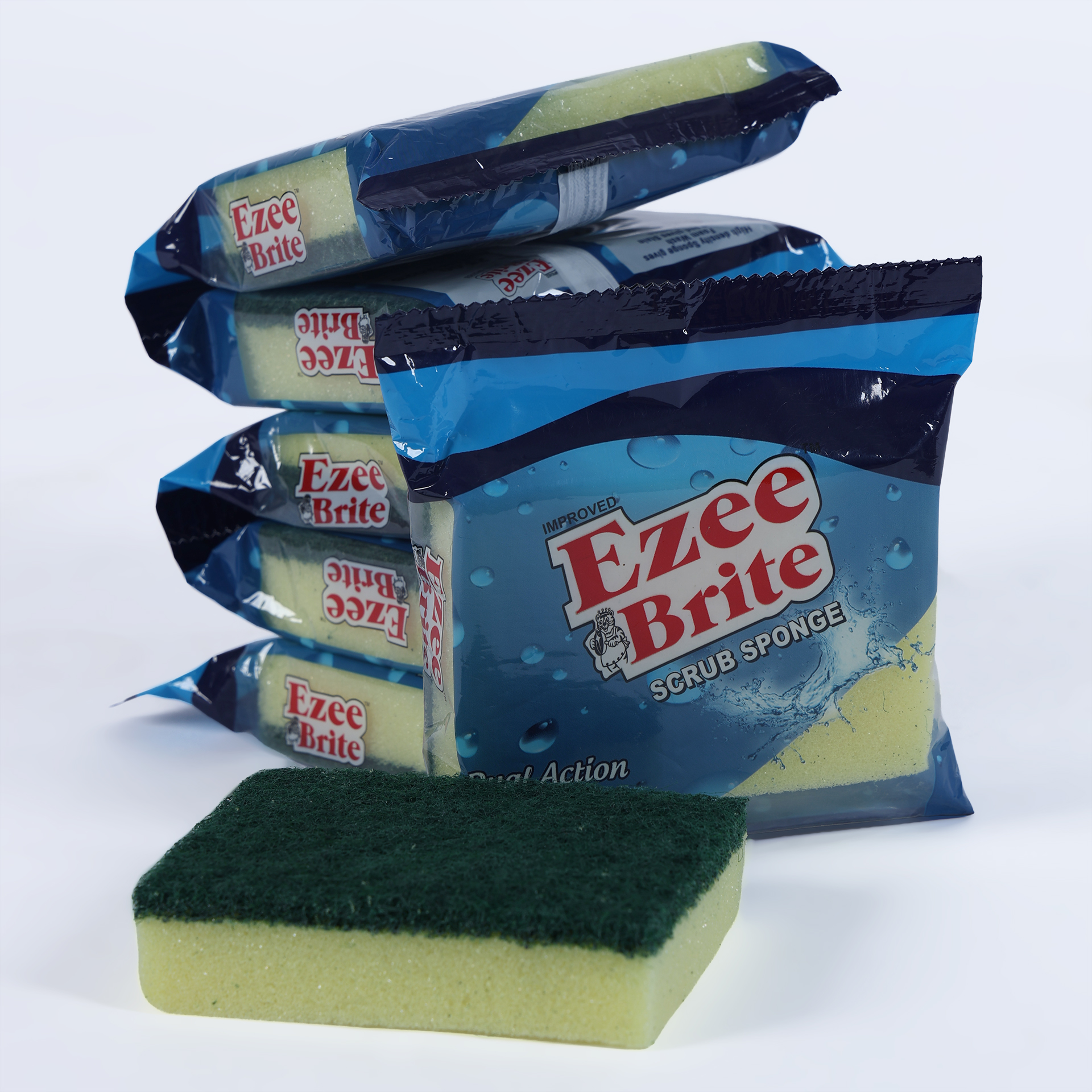
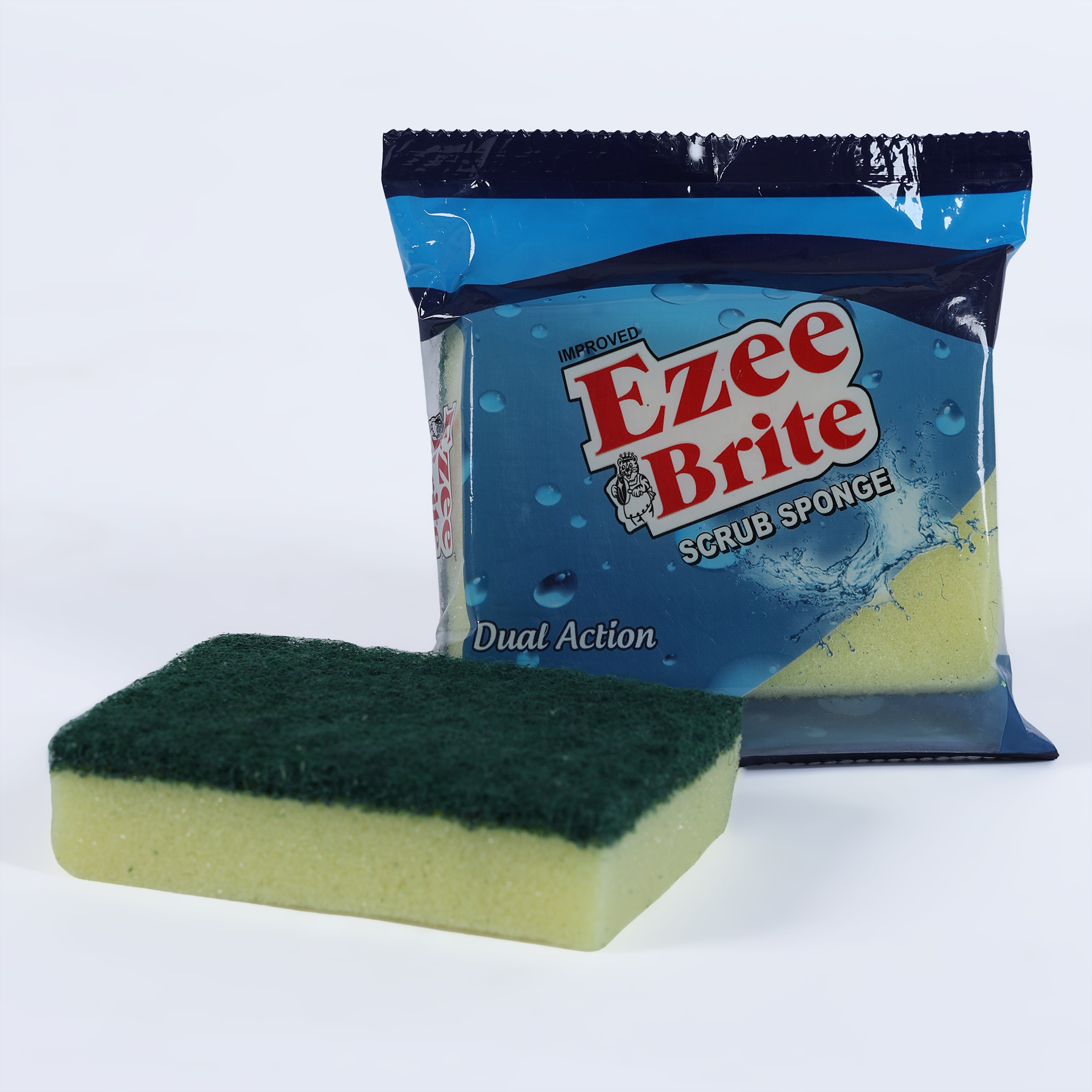
Sponge for Kitchen In Daily Cleaning at Home
Introducing the Sponge, an essential tool for efficient and gentle cleaning. This versatile product features a light, soft texture with numerous tiny holes, which can be either artificial or natural. Its unique structure allows for superior absorption and effective cleaning, making it ideal for a variety of tasks. The Sponge’s porous design ensures that it holds and releases water and cleaning solutions evenly, allowing for thorough and consistent cleaning. Whether used for washing dishes, cleaning surfaces, or applying soaps and detergents, it provides a gentle touch that’s safe on delicate items while still being highly effective. Available in both natural and synthetic options, the Sponge caters to different preferences and needs. Natural sponges offer eco-friendly benefits, while artificial sponges provide durability and resistance to wear. The lightweight and flexible nature of the Sponge makes it easy to maneuver and use, ensuring a comfortable cleaning experience. Choose the Sponge for a reliable and versatile cleaning tool that combines softness with effective performance, making your cleaning tasks simpler and more efficient. A Sponge is one of the most essential cleaning tools used in households, restaurants, and commercial kitchens. Whether it is washing utensils, wiping counters, or cleaning spills, a sponge for the kitchen plays a major role in maintaining hygiene and cleanliness. When selecting the right sponge for a dish scrubber, it is important to choose a durable and high-quality product that cleans effectively without damaging surfaces. In modern homes, the Sponge has evolved into multiple types, such as cellulose sponge, scrub sponge, wire-mesh sponge, and antibacterial sponge, each designed for different cleaning purposes.
Uses of Sponge & Benefits of Sponge – A sponge for the kitchen is mainly used for cleaning utensils, scrubbing pans, and removing food residue from plates and cookware. The sponge for dish scrubber helps remove tough stains, greasy layers, and burnt food from vessels without scratching non-stick cookware. Apart from utensils, a Sponge is also used to clean kitchen countertops, glass surfaces, sinks, stoves, and refrigerators. Many people also use a sponge for the kitchen to absorb water spills, clean tiles, wipe dining tables, and polish surfaces. In hotels and the food industry, the sponge for dish scrubber is essential for maintaining sanitation and preventing cross-contamination. One of the biggest benefits of a Sponge is its soft but strong cleaning ability. A sponge for the kitchen quickly absorbs water and soap, producing enough foam to clean efficiently with less detergent. The sponge for dish scrubber reduces manual effort and saves time, especially in busy kitchens. Because of its flexibility, a Sponge easily reaches corners of utensils and tight spaces that ordinary cloth cannot clean. Another advantage is cost-effectiveness, as a sponge for the kitchen is affordable and long-lasting. Antibacterial versions prevent bacterial growth and maintain hygiene. Lightweight, reusable, and eco-friendly options of sponge options for dish scrubbers help reduce waste and support sustainable cleaning practices.
Side Effects of Sponge – Despite its numerous benefits, a Sponge can cause hygiene concerns if it is not maintained properly. A sponge for the kitchen can accumulate germs, mold, and bacteria when kept wet for long periods. If not replaced on time, a sponge for dish scrubber may transfer harmful microorganisms to utensils and surfaces, leading to food contamination or illness. Overusing chemical cleaners with a Sponge may reduce its lifespan and cause it to break down quickly. Some rough types of sponge for dish scrubbers may create scratches on delicate cookware like glass or ceramic. It is recommended to replace a sponge for the kitchen every 2–3 weeks, sanitize regularly using hot water or microwave cleaning, and store it in a dry, ventilated area.
Why Do Commercial Kitchens Need a Dedicated Dish Scrubber Sponge Not a General Cleaning Sponge?
The scrubbing load in a commercial dishwashing station is categorically different from general surface cleaning. Baked-on food residue, grease from high-temperature cooking, and scale from hard water all require more abrasive force and more heat resistance than general cleaning sponges are built for. A dish scrubber sponge designed for commercial use has a stiffer, more durable abrasive layer, a foam body that resists compression set under repeated wringing, and a construction that holds together through commercial dishwashing chemical exposure.
What Makes a Dish Scrubber Sponge Suitable for High-Volume Commercial Use?
The abrasive layer on a dedicated dish scrubber is typically made from nylon or polyester abrasive fibre bonded more densely than a standard kitchen sponge. This allows sustained scrubbing on heavily soiled cookware without the abrasive layer breaking down mid-use. In a busy restaurant or hotel kitchen, a sponge that sheds abrasive fibres into food preparation equipment is a food safety issue, not just a quality complaint.
Foam body construction affects how well the sponge holds detergent concentration during use. Commercial dishwashing detergents are more concentrated than consumer products — a foam that absorbs and releases them evenly means fewer reloads and more consistent cleaning coverage across a high-volume wash cycle.
Heat and chemical resistance matters in commercial kitchens where near-boiling water and strong alkali detergents are routine. Sponges that degrade rapidly under these conditions increase replacement frequency and add to consumable costs. Buyers should ask suppliers about chemical compatibility before specifying a sponge for use with their existing dishwashing chemistry.
The general Best Sponge in the JKD range handles lighter surface cleaning; this dedicated dish scrubber is the specification for high-load dishwashing stations. Stocking both for different zones in a commercial kitchen is standard practice in well-run F&B operations.
Which Commercial Kitchen Settings Buy Dish Scrubber Sponges in Volume?
Standalone restaurants with manual pre-washing stations before mechanical dishwashers go through scrubber sponges quickly. Hotel F&B operations — particularly those running banqueting, room service, and multiple restaurant outlets simultaneously — have centralised dish areas that consume scrubbers at scale. Institutional catering operations — hospitals, schools, corporate campuses — run high-volume continuous dishwashing that makes consumable procurement a weekly task.
Street food and QSR (quick service restaurant) operators often buy in smaller quantities but with high frequency. Wholesale distributors supplying the food service sector find dish scrubbers a reliable repeat-purchase item that drives regular contact with buyers.
Pairing dish scrubbers with kitchen wipes 3M for surface sanitation and kitchen wipes 3G for general wiping covers the core consumable needs of most commercial kitchen cleaning programmes in a single supplier relationship.
Sourcing Dish Scrubber Sponges Through JKD Enterprises
JKD Enterprises supplies the Best Sponge for Kitchen Dish Scrubber to F&B sector distributors and institutional buyers across India. Combined ordering with other kitchen hygiene consumables reduces per-shipment cost for buyers managing multi-item replenishment cycles.
Q: Is this dish scrubber suitable for use with commercial dishwashing chemicals?
A: Contact JKD Enterprises at Best Sponge For Kitchen Dish Scrubber for chemical compatibility details for this specific product.
Q: How does this differ from the standard Best Sponge in the JKD range?
A: The dish scrubber variant is designed for high-load dishwashing applications — heavier abrasive, more chemical-resistant foam. The standard Best Sponge suits general surface cleaning tasks.
Q: What is the MOQ for wholesale orders?
A: Submit an enquiry at the product page for current wholesale MOQ and volume pricing details.
Q: How often should commercial kitchen dish scrubbers be replaced?
A: Replace when the abrasive layer shows visible wear or when the foam loses compression recovery. In high-volume kitchens, this is typically every 3–7 days depending on use intensity.
Q: Can dish scrubbers and kitchen wipes be ordered together?
A: Yes. JKD Enterprises handles combined kitchen consumable orders. Contact the team for mixed-product ordering options.